

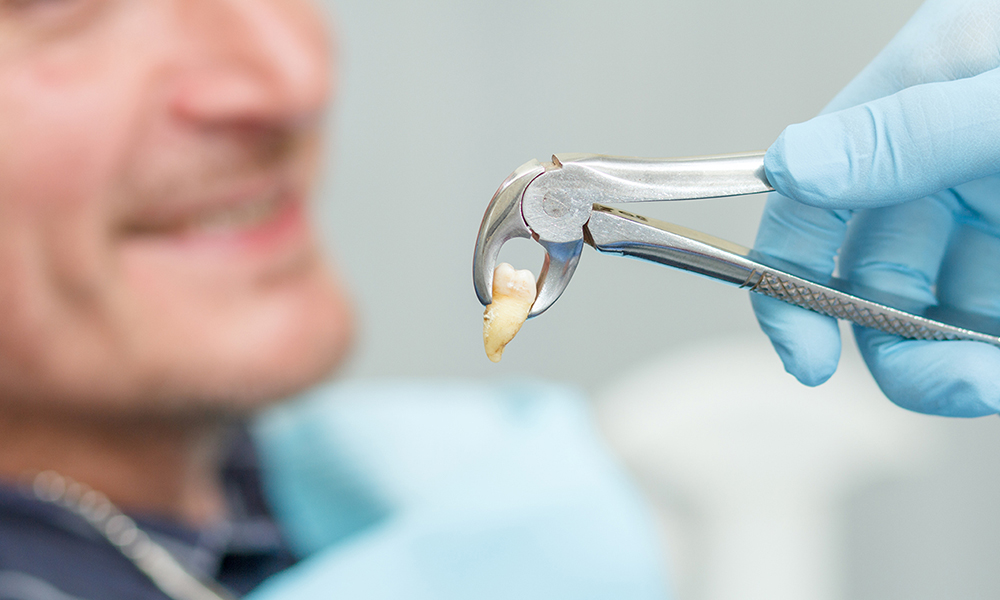
Wisdom tooth removal is a common dental procedure that many individuals face, particularly in their late teens or early twenties. While the extraction can alleviate potential dental issues, it often leads to discomfort and pain during the recovery process. Understanding how to manage wisdom tooth pain effectively can make the recovery period much smoother.
Understanding Wisdom Tooth Removal
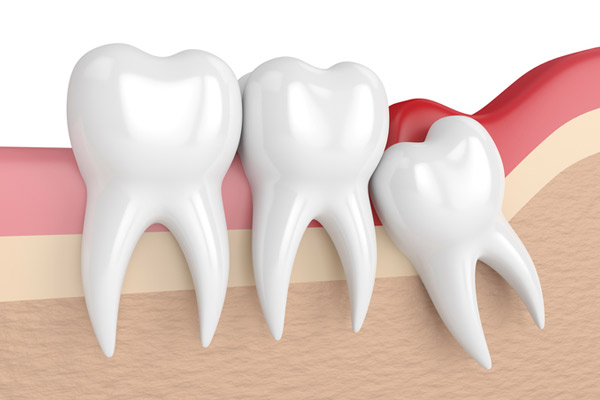
Wisdom teeth, or third molars, typically emerge between the ages of 17 and 25. For many people, these teeth can become impacted, meaning they do not fully erupt through the gums, which can cause pain, crowding, and other dental issues. When extraction is necessary, it is crucial to follow your dentist’s or oral surgeon’s instructions for post-operative care to minimize wisdom tooth pain and ensure proper healing.
Immediate Post-Operative Care
The first few hours after surgery are critical for managing pain and swelling. Your dentist will likely provide you with specific instructions, but here are some general tips to follow:
- Rest: After the procedure, it’s essential to rest as much as possible. Avoid strenuous activities for at least 24 hours, as this can exacerbate pain and swelling.
- Cold Compress: Applying a cold compress to the outside of your cheek can help reduce swelling and numb the area, which can alleviate some of the initial wisdom tooth pain. Use the compress for 15-20 minutes at a time, taking breaks in between.
- Medication: Follow your dentist’s recommendations regarding pain medications. Over-the-counter pain relievers like ibuprofen or acetaminophen can help manage discomfort. If prescribed stronger pain medication, use it as directed.
Managing Swelling and Bruising
Swelling is a common side effect after wisdom tooth removal. While it is a natural part of the healing process, it can contribute significantly to wisdom tooth pain. Here are some strategies to minimize swelling:
- Ice Packs: Continue using ice packs for the first 48 hours post-surgery. After the first two days, switch to warm compresses to promote blood flow and reduce stiffness in the jaw.
- Elevate Your Head: When resting or sleeping, try to keep your head elevated. This can help reduce swelling by preventing fluid buildup in the surgical area.
Dietary Adjustments
What you eat after wisdom tooth removal can significantly impact your recovery and pain management. Here are some dietary tips to consider:
- Soft Foods: Stick to a diet of soft foods for the first few days. Options like mashed potatoes, yogurt, applesauce, and smoothies are gentle on your healing gums and teeth.
- Avoid Certain Foods: Steer clear of hard, crunchy, or spicy foods that can irritate the extraction site. Additionally, avoid hot drinks and foods, as they may increase swelling and discomfort.
- Stay Hydrated: Drink plenty of fluids, but avoid using straws, as the suction can dislodge the blood clot forming in the socket, leading to complications like dry socket.
Recognizing and Addressing Complications
While most cases of wisdom tooth pain can be managed with the strategies above, it’s essential to be aware of potential complications that can arise during recovery:
- Infection: Signs of infection include increased swelling, fever, or pus drainage from the extraction site. If you experience these symptoms, contact your dentist immediately.
- Dry Socket: This painful condition occurs when the blood clot at the extraction site dislodges, exposing the bone underneath. Symptoms include severe pain that may radiate to the ear or jaw. If you suspect a dry socket, return to your dentist for treatment.
Maintaining Oral Hygiene
Good oral hygiene is crucial for a smooth recovery and preventing infections. However, it’s important to be gentle during this time:
- Gentle Rinsing: Start rinsing your mouth with warm salt water 24 hours after surgery to keep the area clean. Avoid vigorous rinsing, as it can dislodge the clot.
- Brushing: Brush your teeth gently, avoiding the extraction site. You can resume normal brushing after a few days, but be cautious around the surgical area.
When to Seek Medical Attention
While mild to moderate wisdom tooth pain is expected after surgery, certain symptoms may warrant a visit to your dentist:
- Uncontrolled Pain: If your pain becomes severe or does not improve with medication, it may indicate a complication that needs professional attention.
- Persistent Swelling: If swelling worsens after the first few days or does not subside, consult your dentist.
- Fever: A fever after wisdom tooth removal can signal an infection, necessitating immediate medical care.
Conclusion
Managing pain after wisdom tooth removal requires a combination of proper post-operative care, dietary adjustments, and vigilant monitoring for potential complications. By following the tips outlined above, you can effectively manage wisdom tooth pain and ensure a smoother recovery.
