

The cosmetic treatment landscape can feel complicated. One person may be concerned about uneven pigmentation, another about facial lines, and someone else may simply want smoother-looking skin. Yet treatment decisions are often approached in reverse: people hear about a particular procedure and then try to decide whether it could work for them.
A more useful approach is to begin with the result you want to achieve. Identifying your primary concern, understanding the main treatment categories, and considering practical factors such as recovery and maintenance can make the decision much clearer.
Start With the Concern, Not the Procedure
Popular treatment names can attract attention, but a procedure is only useful when it matches the problem you are trying to address.
Begin by describing your concern as specifically as possible. Are you primarily bothered by uneven tone? Rough texture? Fine lines? Loss of facial volume? A scar? Visible pigmentation? These concerns are different, even when they appear in the same area of the face.
It also helps to distinguish between a single feature you want to address and a broader goal such as looking more refreshed. A general goal may involve several possible approaches, while a narrowly defined concern may point toward a smaller group of options.
Photos of your skin from different periods can sometimes help you explain what has changed and what you would prefer to preserve. The objective is not to select a treatment before a consultation, but to communicate what you actually want to improve.
Compare Treatment Categories, Not Just Procedure Names
Cosmetic skin treatments work in different ways, so two procedures that are frequently discussed together may be intended for very different concerns.
Injectable treatments, for example, can be used for certain facial lines or changes in facial volume depending on the product and treatment area. Resurfacing and exfoliating procedures such as lasers and chemical peels may be considered for concerns involving texture, pigmentation, or visible signs of skin aging. Microneedling represents another treatment approach commonly considered when texture or the appearance of certain scars is a concern.
The important point is that cosmetic treatment is not a one-procedure-fits-all decision. Even people with similar concerns may receive different recommendations because their skin characteristics, medical history, expectations, and preferred recovery time differ.
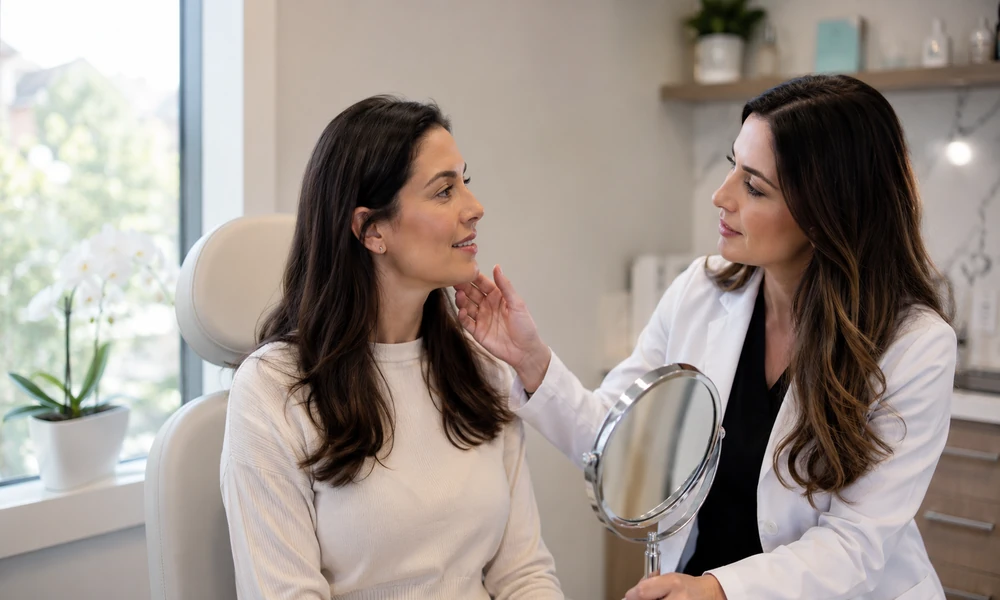
When several approaches might be relevant, discussing them with a cosmetic dermatologist can help you compare treatment categories in the context of your particular goals instead of choosing solely because a procedure is currently popular.
Consider Recovery, Maintenance, and Expectations
The desired result is only one part of choosing a treatment. The practical experience matters too.
Ask what your skin is likely to look and feel like immediately afterward and during the following days. Some people are comfortable scheduling treatments that involve visible redness, swelling, peeling, or temporary sensitivity. Others need options that interfere as little as possible with work, travel, or social commitments.
Maintenance is another consideration. Some cosmetic procedures may be performed as a series, while others may require periodic follow-up if someone wants to maintain the effect. Understanding that commitment beforehand can prevent frustration later.
Expectations deserve equal attention. Cosmetic treatment generally aims to improve a particular concern rather than create completely different skin or facial features. During a consultation, describe the change you would consider worthwhile and ask what degree of improvement is realistically expected.
Be cautious when evaluating dramatic before-and-after images online. Lighting, facial expression, makeup, camera position, and image editing can change how results appear. A treatment decision should be based on what is reasonably achievable for you rather than on an unusually impressive photograph.
Ask Questions Before Making a Decision
A good consultation should give you more information, not simply confirm the treatment you walked in expecting to receive.
Ask why a particular option is being recommended and whether reasonable alternatives exist. Find out what experience the provider has with the procedure and your specific concern. You should also understand potential side effects, significant risks, preparation requirements, aftercare, and what you should do if you experience an unexpected reaction.
For injectable procedures in particular, provider qualifications and training should be part of the discussion. These procedures have potential complications as well as cosmetic benefits, which is why they should be approached as medical decisions rather than casual beauty purchases.
Your medical and skin history can also affect the conversation. Tell the provider about relevant health conditions, medications, previous cosmetic procedures, skin reactions, allergies, and treatments you currently use. Information that seems unrelated to appearance may still matter when determining whether a particular procedure is appropriate.
Finally, there is nothing wrong with deciding not to proceed immediately. An elective cosmetic procedure should leave enough room for you to understand the recommendation and feel comfortable with the expected outcome, recovery requirements, and risks.
Conclusion
Choosing a cosmetic skin treatment becomes easier when the decision begins with a clearly defined goal rather than a trending procedure. Identify the concern you want to address, compare the treatment categories that may be relevant, and consider recovery, maintenance, expectations, and safety alongside the potential cosmetic result.
Most importantly, treat the consultation as part of the decision-making process. Asking why a treatment is appropriate-and what the alternatives are-can help you make a more informed choice that reflects your own priorities rather than someone else’s idea of the ideal result.
